

Category:
Corporate Sales
Mastering B2B & Corporate Sales in Kenya's Growing Economy
November 5, 2023
14 Min

Kenya's B2B and corporate sales landscape presents unique opportunities and challenges for businesses targeting other enterprises, government agencies, and large institutions. With Kenya's economy diversifying and corporate purchasing becoming more sophisticated, mastering complex sales cycles requires specialized strategies tailored to local business culture, regulatory environment, and economic conditions.
The Kenyan B2B Market Landscape
Understanding the structure and dynamics of Kenya's corporate sector is essential for sales success:
- Corporate Concentration: Nairobi hosts majority of large corporate headquarters
- Sector Diversity: Financial services, telecommunications, manufacturing, agriculture, and services
- Government Procurement: Significant purchasing power through government agencies
- Multinational Presence: Regional headquarters for international corporations
- SME Ecosystem: Growing small and medium enterprises requiring B2B solutions
- Regional Variations: Different corporate cultures across Nairobi, Mombasa, Kisumu, and other centers
Key Differences from B2C Sales
B2B sales in Kenya require distinct approaches compared to consumer sales:
- Longer Sales Cycles: Extended decision-making processes with multiple stakeholders
- Higher Transaction Values: Larger deals with significant financial implications
- Complex Decision Units: Multiple influencers, decision-makers, and approvers
- Relationship-Intensive: Trust and credibility built over extended periods
- Technical Requirements: Detailed specifications and compliance considerations
- Contractual Formalities: Legal agreements and procurement procedures
"In Kenyan corporate sales, relationships open doors, but value proposition closes deals. The most successful B2B sales professionals balance personal connections with compelling business cases that address specific organizational challenges and opportunities."
The 6-Phase Corporate Sales Framework
Phase 1: Strategic Prospecting and Targeting
Effective corporate sales begins with focused prospecting:
Target Account Selection Criteria
- Industry Alignment: Companies in sectors where your solution delivers maximum value
- Size and Growth: Organizations with capacity to purchase and potential for expansion
- Current Challenges: Companies facing problems your solution can address
- Decision Process Compatibility: Organizations with procurement processes you can navigate
- Geographic Presence: Companies with operations in your serviceable areas
Kenyan-Specific Prospecting Strategies
- Industry Association Engagement: Participation in relevant business associations
- Corporate Events: Attendance at industry conferences and business forums
- Executive Networking: Building relationships with C-suite leaders
- Referral Programs: Leveraging existing corporate relationships for introductions
- Public Tender Monitoring: Tracking government and corporate procurement opportunities
Phase 2: Account Research and Intelligence Gathering
Thorough preparation before engagement:
Key Research Areas
- Organizational Structure: Understanding reporting lines and decision-making processes
- Financial Position: Revenue, profitability, growth trajectory, and investment capacity
- Strategic Priorities: Corporate goals, initiatives, and transformation programs
- Competitive Landscape: Current suppliers and their strengths/weaknesses
- Industry Challenges: Sector-specific pressures and opportunities
- Stakeholder Mapping: Identifying key influencers, decision-makers, and gatekeepers
Kenyan Corporate Research Sources
- Company Registries: Official business registration information
- Annual Reports: Publicly listed companies' financial disclosures
- Business Publications: Local media coverage of corporate developments
- Industry Reports: Sector-specific analysis from research firms
- Professional Networks: Insights from current or former employees
Phase 3: Initial Engagement and Relationship Building
Establishing credibility and building connections:
Effective Engagement Strategies
- Warm Introductions: Leveraging mutual connections for credibility
- Value-First Approach: Leading with insights rather than product pitches
- Multi-level Contact: Engaging both operational and strategic stakeholders
- Cultural Sensitivity: Understanding Kenyan corporate etiquette and communication styles
- Patience and Persistence: Building relationships over multiple interactions
Kenyan Corporate Culture Considerations
- Relationship Orientation: Personal connections often precede business discussions
- Hierarchical Respect: Appropriate deference to seniority and position
- Formal Communication: Professional language and proper titles
- Meeting Protocols: Understanding appropriate scheduling and preparation
- Gift-Giving Etiquette: Cultural norms around business gifts
Phase 4: Needs Discovery and Solution Development
Moving from relationship to opportunity:
Discovery Techniques for Kenyan Corporations
- Structured Questioning: Systematic approach to uncovering needs and priorities
- Multiple Perspective Gathering: Understanding needs across departments and levels
- Quantitative Analysis: Data-driven assessment of current situation and potential impact
- Pain Point Identification: Understanding challenges from the customer's perspective
- Opportunity Quantification: Calculating potential value of proposed solutions
Solution Customization Approaches
- Local Adaptation: Modifying standard solutions for Kenyan context
- Integration Planning: Addressing how solutions fit with existing systems
- Implementation Roadmap: Clear timeline and resource requirements
- Risk Mitigation: Addressing potential concerns and objections
- Value Proposition Development: Articulating benefits in customer-specific terms
Phase 5: Proposal Development and Presentation
Structuring compelling business cases:
Elements of Successful Corporate Proposals
- Executive Summary: Concise overview of solution and value
- Current Situation Analysis: Understanding of customer's context and challenges
- Proposed Solution: Detailed description of recommended approach
- Implementation Plan: Timeline, resources, and milestones
- Financial Analysis: Cost breakdown, ROI calculation, and payment terms
- Company Credentials: Relevant experience, references, and capabilities
- Terms and Conditions: Legal and contractual details
Presentation Strategies for Kenyan Decision Makers
- Audiovisual Preparation: Professional slides and supporting materials
- Team Presentation: Involving technical and implementation experts
- Interactive Format: Engaging stakeholders through discussion and Q&A
- Multiple Format Delivery: In-person presentation followed by detailed written proposal
- Follow-up Materials: Additional information addressing specific questions
Phase 6: Negotiation and Closing
Navigating final discussions to secure agreement:
Kenyan Corporate Negotiation Dynamics
- Multi-Round Discussions: Expect multiple negotiation sessions
- Relationship Preservation: Maintaining positive relationships throughout negotiation
- Value-Based Focus: Emphasizing benefits rather than price reductions
- Concession Planning: Strategic approach to what can be offered
- Legal Review: Involving legal counsel for contract finalization
Closing Strategies for Complex Deals
- Trial Closes: Testing agreement on components throughout discussion
- Assumptive Language: Framing next steps as natural progression
- Decision Process Mapping: Understanding and facilitating approval procedures
- Timeline Management: Creating urgency without pressure
- Celebration Planning: Acknowledging agreement and next steps
Managing Complex Sales Cycles
Strategies for navigating extended corporate sales processes:
Stakeholder Management Framework
- Sponsor Identification: Finding internal champion to support your solution
- Influencer Engagement: Building relationships with those who shape decisions
- Decision-Maker Alignment: Ensuring key approvers understand and support proposal
- Gatekeeper Navigation: Working effectively with procurement and administrative staff
- End-User Consideration: Addressing needs of those who will use the solution
Sales Cycle Acceleration Techniques
- Milestone Mapping: Breaking complex process into manageable steps
- Resource Alignment: Ensuring appropriate expertise available at each stage
- Risk Anticipation: Proactively addressing potential obstacles
- Communication Rhythm: Regular updates and progress reviews
- Executive Sponsorship: Involving senior leadership at key moments
Post-Sale Relationship Management
Sustaining and expanding corporate relationships:
Implementation Excellence
- Project Management: Structured approach to solution delivery
- Change Management: Supporting organizational adoption of new solutions
- Training and Enablement: Ensuring effective use of delivered solutions
- Performance Monitoring: Tracking results and value realization
Account Growth Strategies
- Additional Needs Discovery: Identifying further opportunities within account
- Referral Generation: Leveraging satisfied customers for new introductions
- Case Study Development: Documenting success stories for marketing use
- Executive Relationship Building: Developing strategic partnerships at senior levels
Technology for Corporate Sales Excellence
Leveraging tools for complex sales management:
Essential Technology Components
- Account-Based Marketing Platform: Targeted marketing to specific accounts
- Relationship Management System: Tracking interactions across multiple stakeholders
- Proposal Automation: Efficient creation of customized proposals
- Contract Management: Tracking agreement status and renewals
- Performance Analytics: Measuring sales effectiveness and forecasting accuracy
Common Challenges in Kenyan Corporate Sales
Based on our experience with B2B sales across Kenya:
- Bureaucratic Processes: Navigating complex corporate and government procurement
- Payment Delays: Managing extended payment terms and collection challenges
- Competitive Pressure: Differentiating in crowded markets with price competition
- Talent Shortages: Finding skilled corporate sales professionals
- Economic Volatility: Adapting to changing market conditions and budgets
Future Trends in Kenyan B2B Sales
Emerging developments shaping corporate sales:
- Digital Transformation: Increased online procurement and virtual sales processes
- Sustainability Focus: Growing emphasis on environmental and social governance
- Data-Driven Decision Making: Analytics influencing corporate purchasing
- Solution Selling: Shift from product features to business outcomes
- Partnership Models: More collaborative approaches to vendor relationships
Conclusion
Mastering B2B and corporate sales in Kenya requires a sophisticated approach that balances relationship building with strategic business consulting. By understanding the unique dynamics of Kenyan corporate culture, developing structured sales processes, leveraging appropriate technology, and focusing on value creation rather than transaction completion, sales organizations can build sustainable success in Kenya's growing corporate market.
Homeland Salesforce's Corporate Sales Division specializes in helping businesses excel in Kenya's B2B marketplace. From strategy development and team training to deal coaching and relationship management, we provide comprehensive support for corporate sales excellence across industries and sectors.
Related Posts
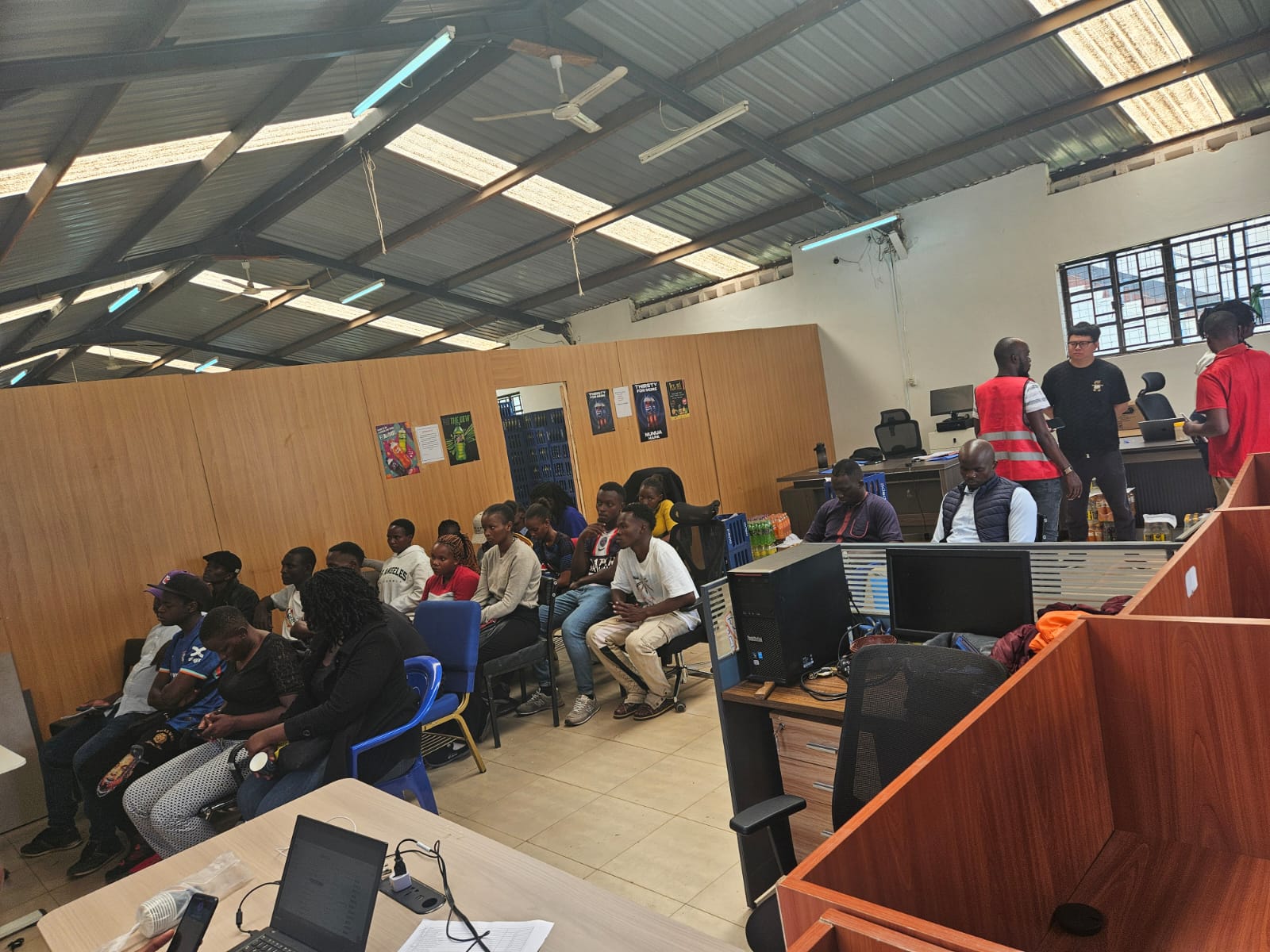

Corporate Sales Division
The Corporate Sales Division at Homeland Salesforce specializes in B2B and enterprise sales strategies for the Kenyan market. With extensive experience across multiple industries and deep understanding of corporate procurement processes, we help businesses navigate complex sales cycles, build strategic relationships, and secure high-value contracts with Kenyan corporations, government agencies, and large institutions.


